5 Time-Boxing Strategies Used by Top CEOs and Entrepreneurs
Ever wondered how the world's most successful people manage to accomplish so much? While they have the same 24 hours as everyone else, their approach to time management sets them apart.
Many top executives rely on time-boxing as their secret weapon. Let's explore five proven strategies they use.
Strategy 1: The 5-Minute Rule (Elon Musk's Approach)
Elon Musk, CEO of Tesla and SpaceX, famously divides his day into 5-minute blocks. While this might seem extreme, the principle is powerful.
How to Apply It
- Break large tasks into 5-minute increments for estimation
- Schedule meetings in 5-minute blocks rather than defaulting to 30 or 60 minutes
- Use micro time-boxes for quick decisions
Strategy 2: The Two-List System (Warren Buffett's Method)
Warren Buffett's approach focuses on ruthless prioritization before time-boxing.
The Process
- Write down your top 25 goals or tasks
- Circle the top 5 most important
- Time-box ONLY the top 5
- Actively avoid the other 20 — they're distractions in disguise
Strategy 3: Theme Days (Jack Dorsey's System)
When Jack Dorsey was running both Twitter and Square simultaneously, he used themed days to manage his time.
| Day | Theme | |-----|-------| | Monday | Management & Operations | | Tuesday | Product Development | | Wednesday | Marketing & Growth | | Thursday | Partnerships & Business Development | | Friday | Company Culture & Hiring |
Strategy 4: The 90-Minute Focus Block
Research shows that the human brain can maintain peak focus for about 90 minutes before needing rest.
Implementation
- Schedule 90-minute focus blocks for your most important work
- Take a 20-30 minute break between blocks
- Limit to 4-5 focus blocks per day
Strategy 5: The Maker's Schedule (Paul Graham's Philosophy)
Paul Graham distinguishes between two types of schedules:
Manager's Schedule
- Day divided into one-hour slots
- Meetings scattered throughout
Maker's Schedule
- Day divided into half-day blocks
- Long, uninterrupted periods for creative work
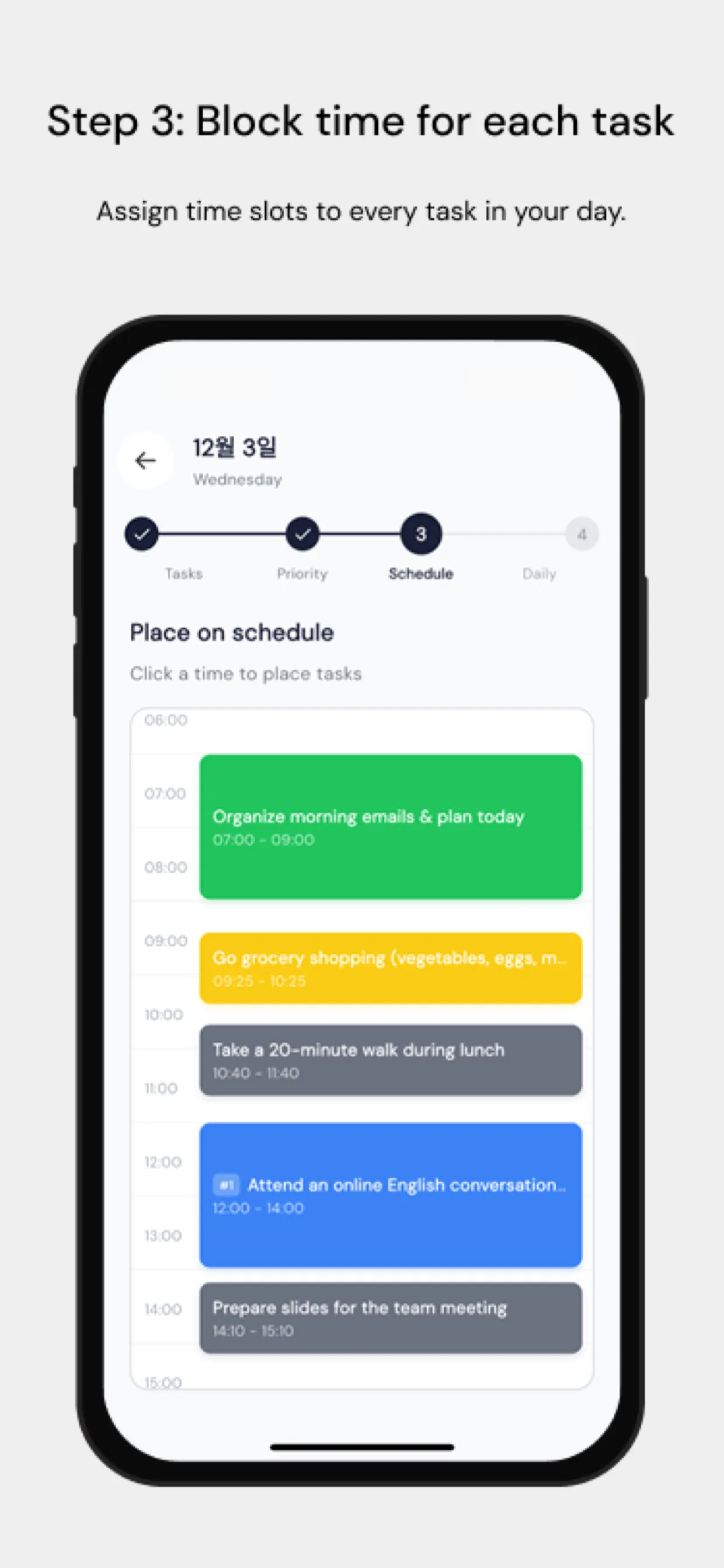
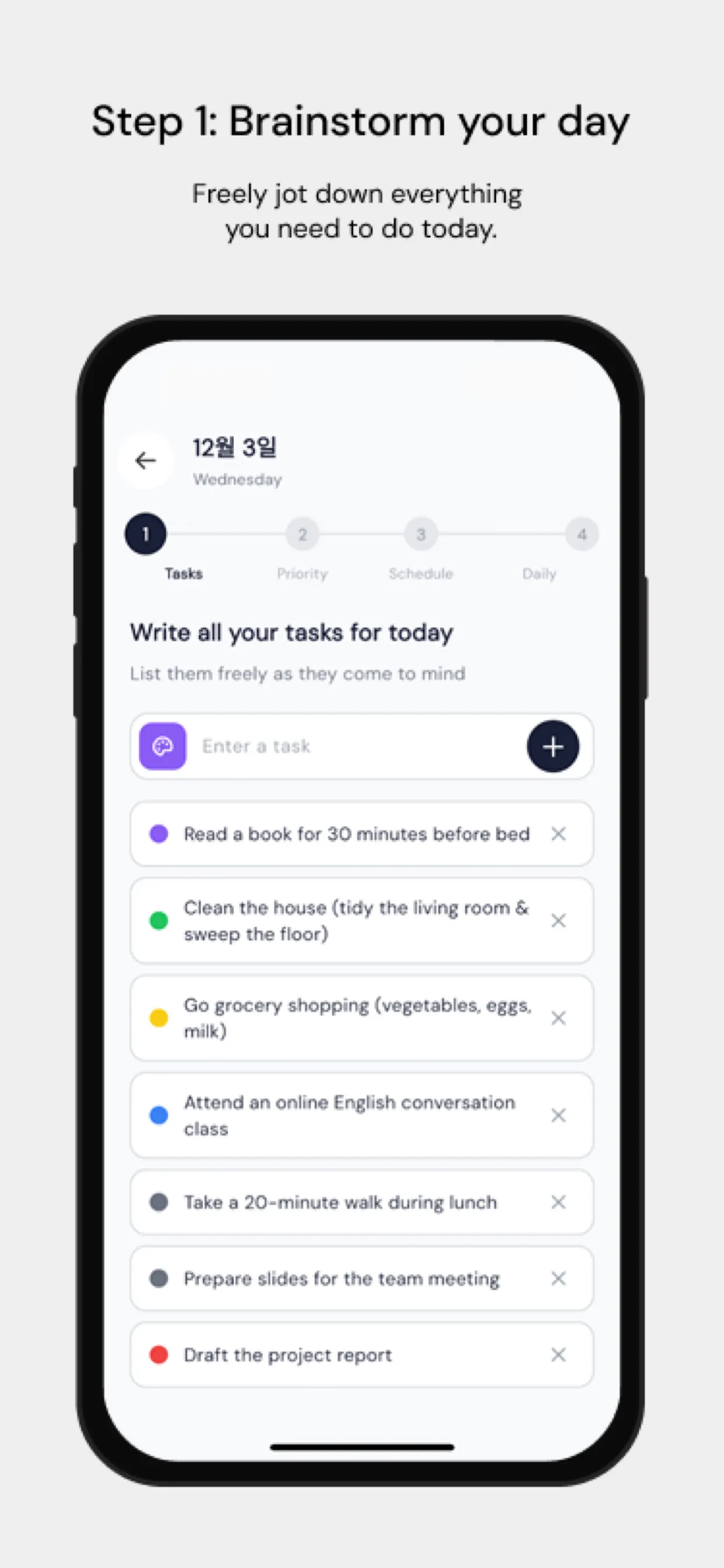
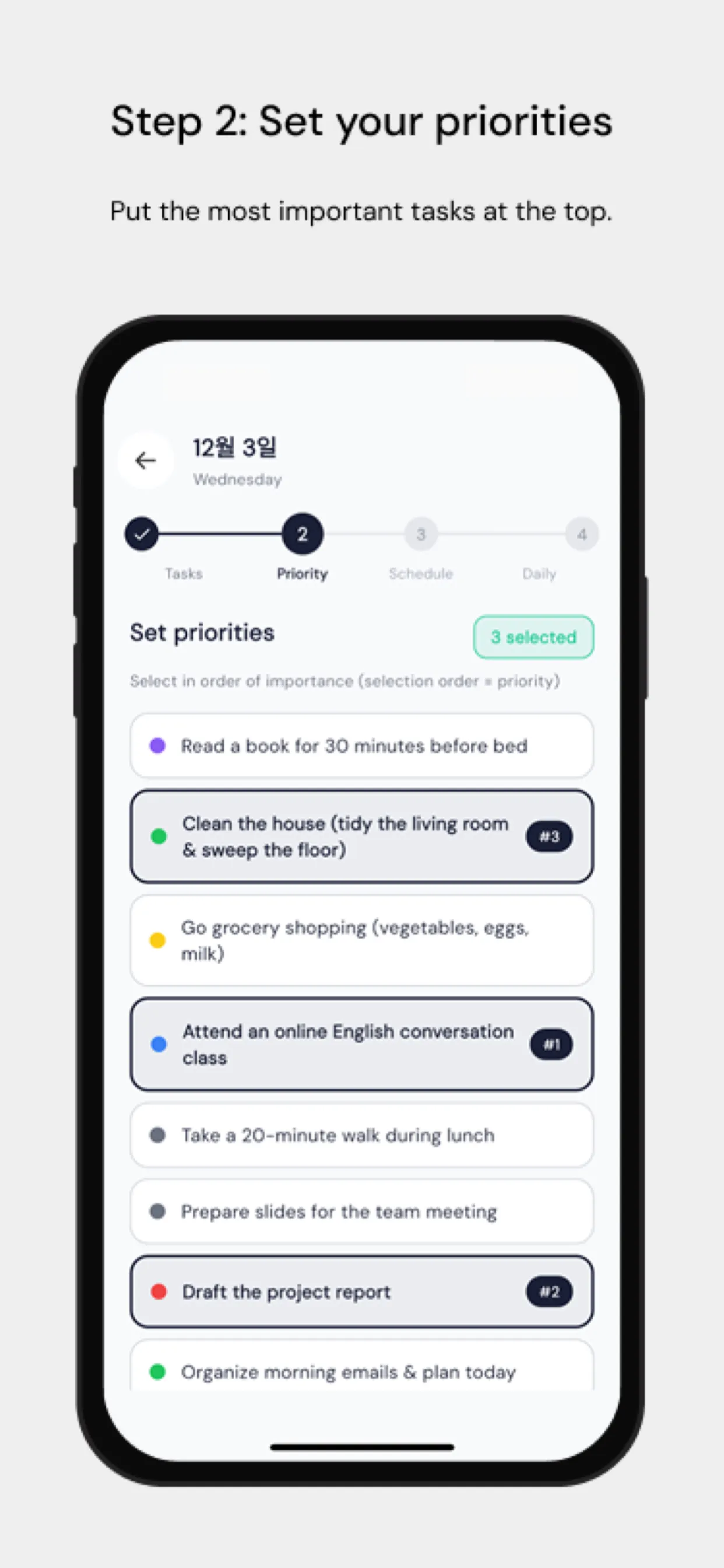
Implementing These Strategies with Chrobox
Chrobox is designed to support all these time-boxing strategies:
- Flexible time-box durations — From 5 minutes to full days
- Priority-first planning — Built-in prioritization workflow
- Theme support — Tag and categorize your time boxes
- Focus mode — Distraction-free execution
Conclusion
The strategies used by top performers aren't magic—they're proven systems that anyone can adopt. Start with one approach, practice it consistently, and watch your productivity soar.