What is Time-Boxing? The Ultimate Guide to Mastering Your Time
Have you ever ended a workday feeling like you accomplished nothing despite being busy all day? You're not alone. In our hyper-connected world, distractions are everywhere, and staying focused on meaningful work is harder than ever.
Enter time-boxing — a simple yet powerful technique that has transformed how the world's most productive people manage their time.
Understanding Time-Boxing
Time-boxing is a time management method where you allocate a fixed time period, called a "time box," to a planned activity. Instead of working on a task until it's complete, you work on it only for the designated time period.
How It Works
- Choose a task you want to work on
- Set a specific time limit (e.g., 30 minutes, 1 hour, 2 hours)
- Work exclusively on that task during the time box
- Stop when the time is up, regardless of completion
- Assess your progress and plan the next steps
The Science Behind Time-Boxing
Time-boxing works because it leverages several psychological principles:
Parkinson's Law
"Work expands to fill the time available for its completion." By setting strict time limits, you force yourself to focus on what truly matters and eliminate perfectionism.
The Zeigarnik Effect
Uncompleted tasks create mental tension that keeps them in our active memory. Time-boxing helps you make progress on multiple fronts, reducing this cognitive load.
Flow State Activation
Knowing you have limited time creates a healthy sense of urgency that can help you enter a flow state more quickly.
Benefits of Time-Boxing
1. Increased Productivity
By limiting the time available for tasks, you naturally become more focused and efficient. Studies show that time constraints can increase productivity by up to 30%.
2. Better Work-Life Balance
When you know exactly when your work ends, you can fully disconnect and enjoy your personal time without guilt.
3. Reduced Procrastination
Starting a 30-minute task feels much less daunting than starting an undefined project. Time-boxing lowers the barrier to getting started.
How to Start Time-Boxing Today
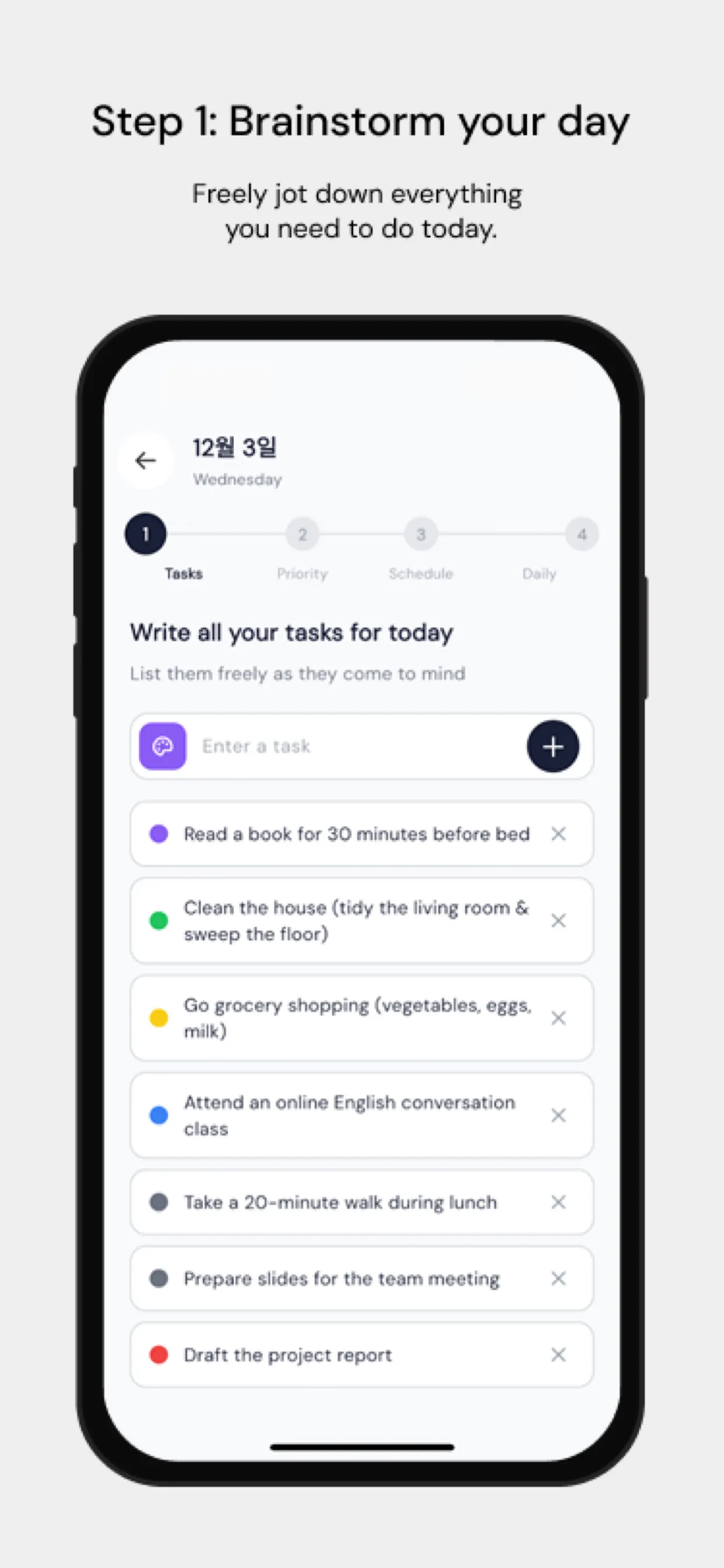
Step 1: List Your Tasks
Write down everything you need to accomplish. Don't filter or prioritize yet—just get it all out.
Step 2: Estimate Time Needed
For each task, estimate how much focused time it requires. Be realistic but slightly aggressive.
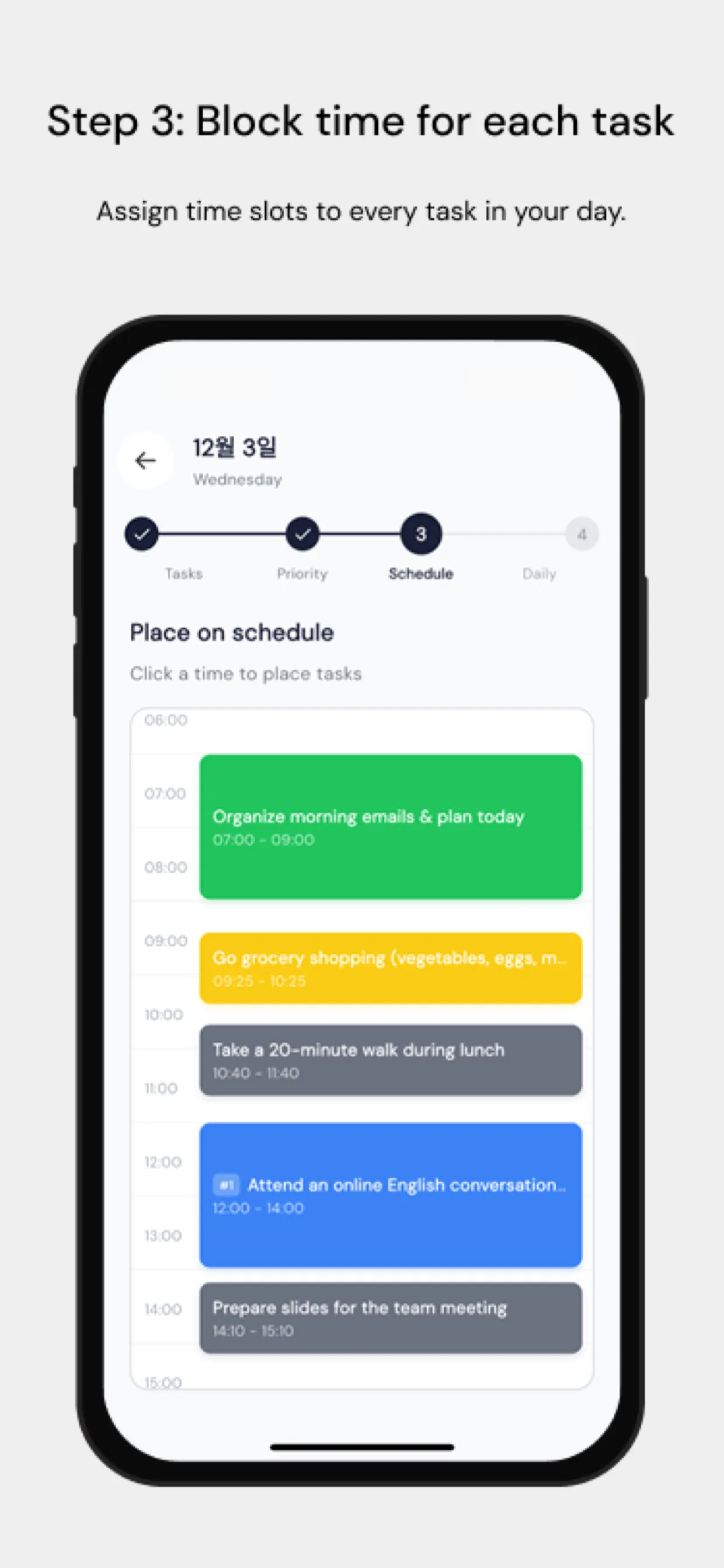
Step 3: Assign Time Boxes
Distribute your tasks into your available time slots. Consider your energy levels throughout the day.
Step 4: Execute and Adjust
Work through your time boxes one at a time. If a task isn't finished, schedule another time box for it.
Time-Boxing with Chrobox
Chrobox makes time-boxing intuitive and enjoyable. With features like:
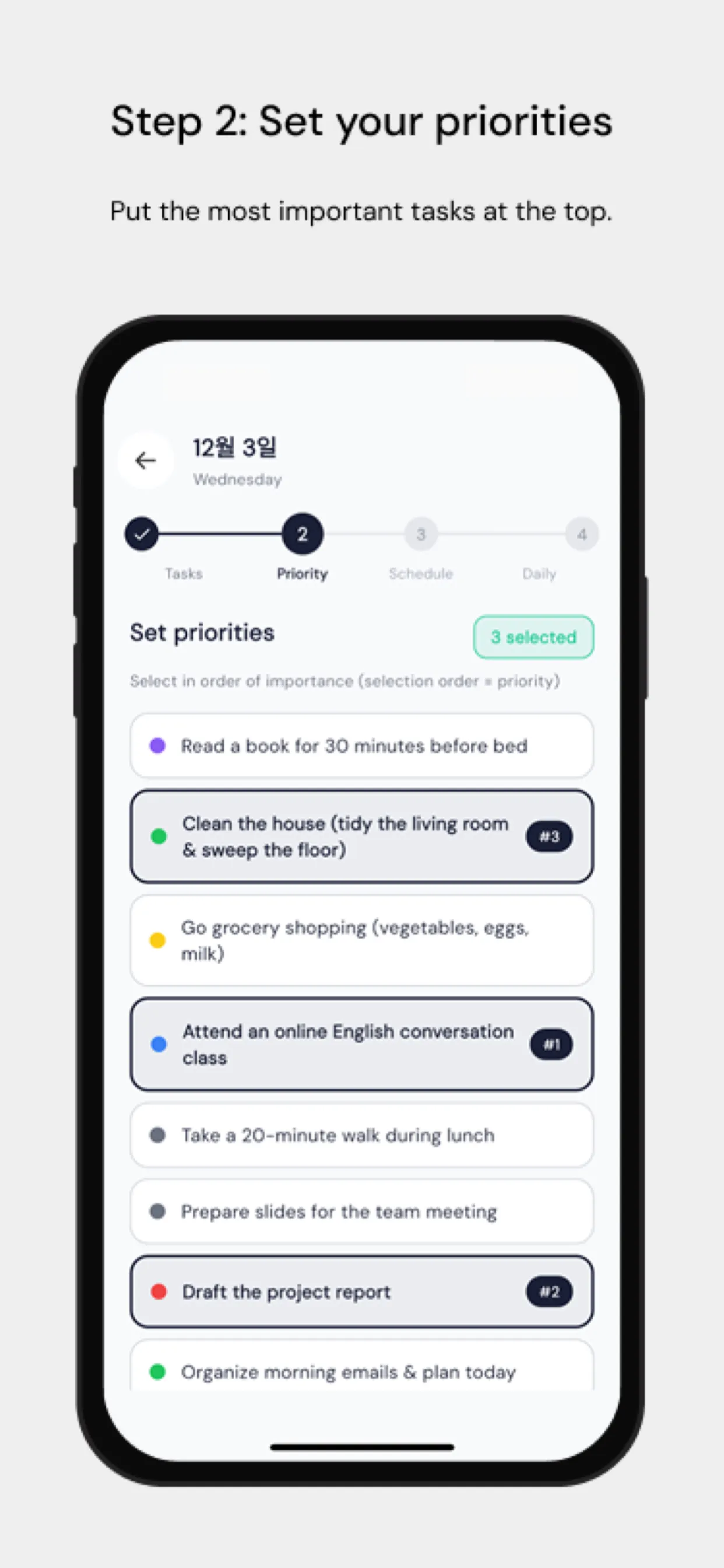
- Smart Planning Flow — 6-step guided workflow
- Visual Timeline — See your entire day at a glance
- AI-Powered Insights — Get personalized recommendations
- Daily Retrospective — Track your mood and productivity
Start your journey to better time management today with a 3-day free trial.
Conclusion
Time-boxing is more than just a productivity hack—it's a philosophy of intentional living. By consciously deciding how to spend your time, you take control of your day and, ultimately, your life.
The best time to start time-boxing is now. Set a 30-minute time box and begin your first task. You might be surprised at how much you can accomplish.