Parkinson's Law Explained: How to Use It to Double Your Output
Cyril Northcote Parkinson published a 1955 essay in The Economist with one immortal line: "Work expands so as to fill the time available for its completion."
He was being satirical. But the principle turned out to be brutally true — and if you understand it, you can use it to ship 2x faster than your peers.
The Real Mechanism Behind the Law
Parkinson's Law is not magic. It is a combination of three psychological forces:
1. Perfectionism Inflation
Given more time, you polish details that do not matter. The 80/20 rule says 80% of value comes from 20% of effort — but with extra time, you spend the remaining 80% chasing the final 20% of polish nobody notices.
2. Procrastination Cushioning
When a deadline is far, your brain treats it as "later." You delay starting, then panic-finish. The work itself does not actually take longer — you just spread the same effort over more calendar time.
3. Scope Creep
Spare time gets filled with new requirements. "While I am at it, let me also add..." A project meant to take a week becomes three weeks of feature additions that were not in the original spec.
The Aggressive Deadline Experiment
In 2002, Dan Ariely and Klaus Wertenbroch ran a famous experiment at MIT. Three groups of students received the same three-paper assignment with different deadline structures:
- Group A: All papers due at the end of semester
- Group B: Self-imposed staggered deadlines
- Group C: Externally imposed staggered deadlines
The result? Group C (tight, externally imposed deadlines) produced the highest quality work. Group A (one big deadline) procrastinated and produced the worst.
The lesson: shorter, harder deadlines do not just speed up work — they improve it.
How to Weaponize Parkinson's Law
Step 1: Estimate Naturally First
Write down your honest, gut-level estimate for the task. Do not censor it. This is your baseline.
Step 2: Cut by 25-30%
Reduce the timeline. A 4-hour estimate becomes a 3-hour box. A 5-day project becomes a 3.5-day sprint. Cut aggressively but not insanely — beyond 50% reduction, quality starts collapsing.
Step 3: Define "Done" Upfront
Before you start, write three sentences describing what "done" looks like. This prevents perfectionism inflation. The moment your output meets the spec, ship it.
Step 4: Time-Box Strictly
Use a hard timer. When it rings, stop. Evaluate against your "done" definition. If acceptable, ship. If not, schedule one explicit revision box rather than open-ended polishing.
Step 5: Run a Post-Mortem
After the box, ask: "What would I cut if I had to do this in half the time?" The answer reveals where you are still over-engineering.
Common Pushback (And Why It Is Wrong)
"Tight deadlines hurt quality."
Wrong. They hurt finish, not quality. If you define "done" clearly upfront and ship at quality threshold, tight deadlines force focus on what matters and starve perfectionism.
"My work is too creative for fixed timelines."
Creative constraints famously increase creativity. Dr. Seuss wrote Green Eggs and Ham on a 50-word vocabulary bet. Constraints force novel solutions.
"I will burn out."
Burnout comes from sustained over-extension, not occasional sprints. Run aggressive timelines for 2-3 days, then deliberately schedule a 50%-utilization recovery day.
Parkinson's Law + Chrobox
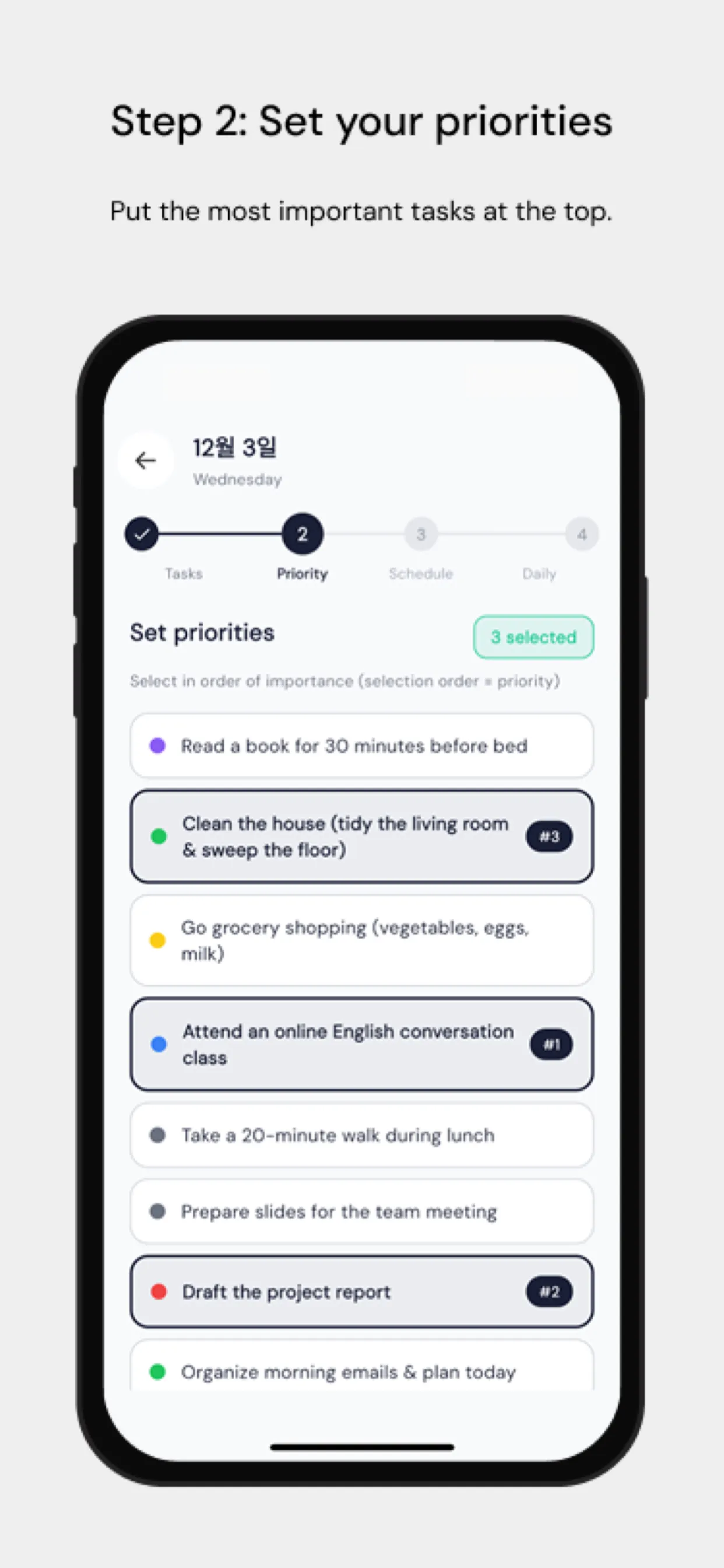
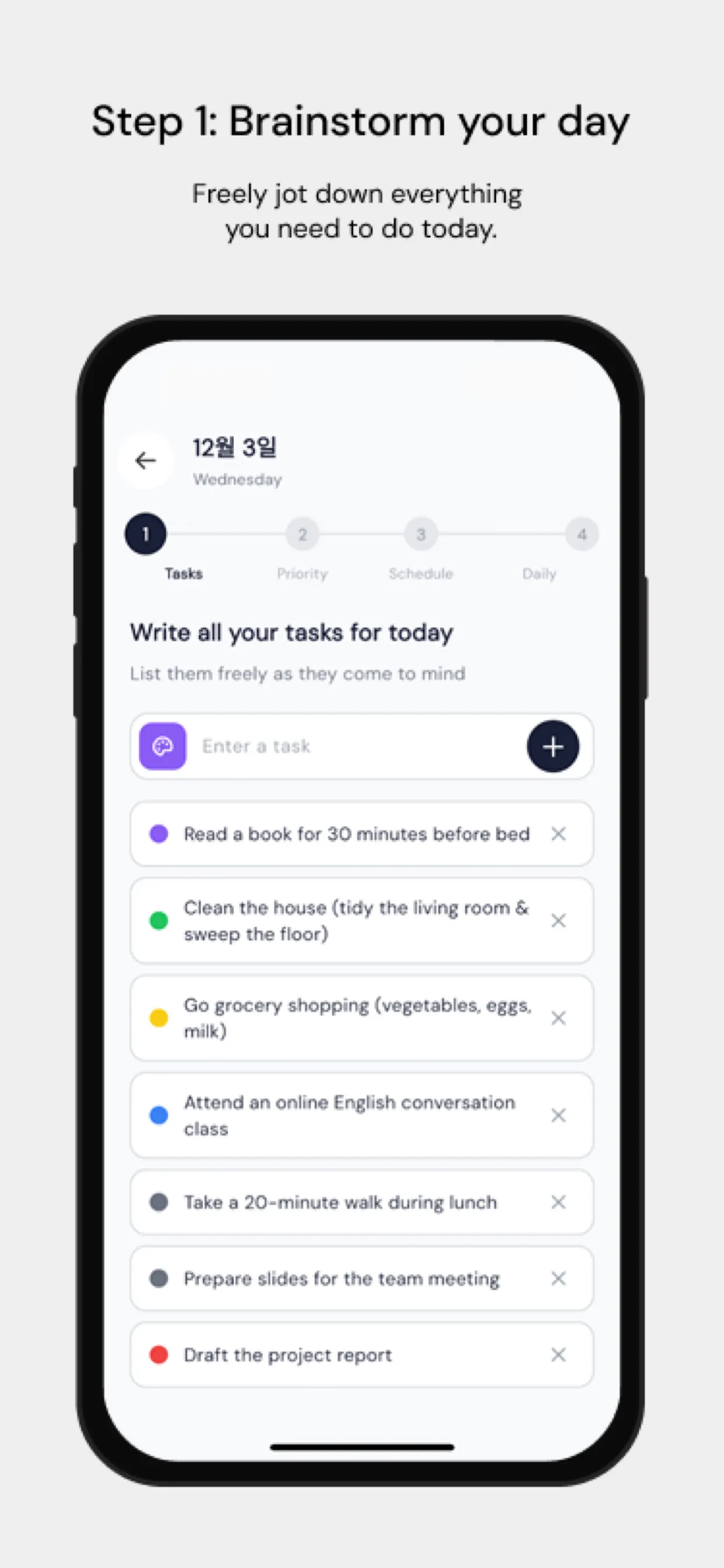
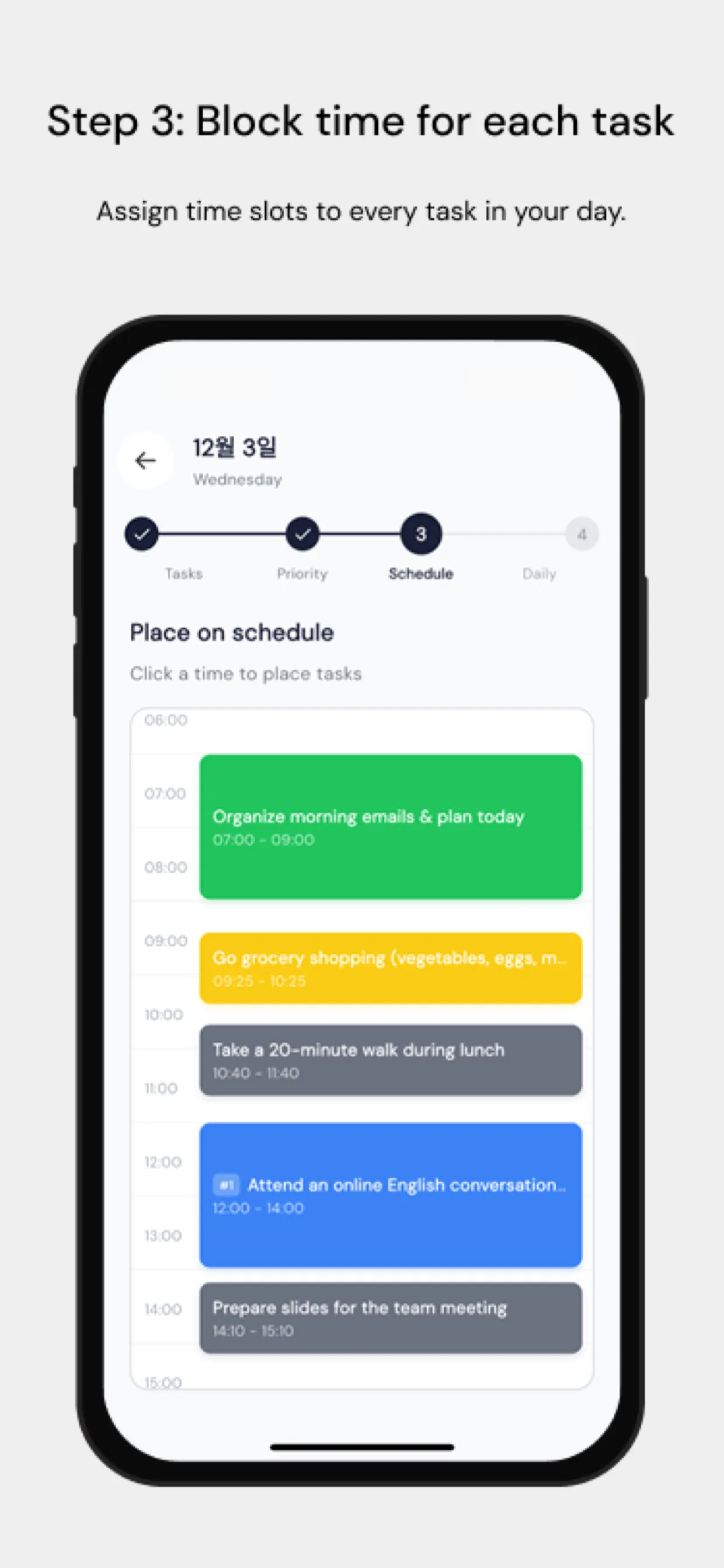
Chrobox is built around Parkinson's Law:
- Aggressive estimation prompts suggest tighter durations than you would naturally pick
- Hard timers with no easy "extend" button enforce discipline
- Done-criteria capture for each box
- Post-box reflection logs estimate vs. actual to calibrate future boxes
Conclusion
Parkinson's Law is not a curse — it is a lever. Most people give themselves 100% of the time they could possibly need, then use 100% of it. Cut your deadlines by 30%, define done upfront, and watch your output double without working longer hours.
Try it on tomorrow's most important task. Set a timer for 70% of your gut estimate and see what ships.