Time-Boxing vs Pomodoro: Which Technique is Right for You?
If you've explored productivity techniques, you've likely encountered both time-boxing and the Pomodoro Technique. While they share similarities, they serve different purposes and suit different work styles.
Understanding the Techniques
What is the Pomodoro Technique?
The Pomodoro Technique uses a timer to break work into 25-minute intervals called "pomodoros," separated by short breaks.
Standard Pomodoro Structure:
- 25 minutes of focused work
- 5-minute short break
- After 4 pomodoros, take a 15-30 minute long break
What is Time-Boxing?
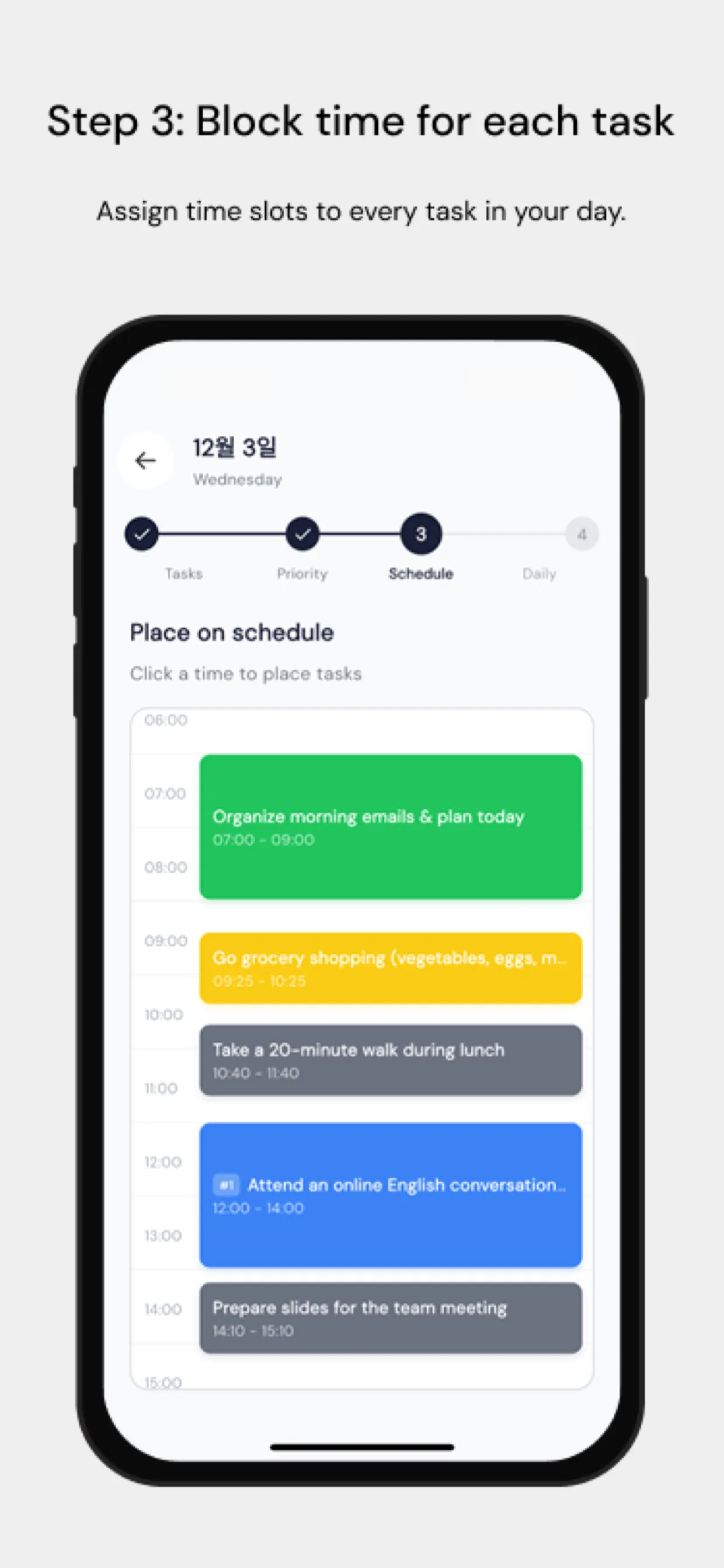
Time-boxing allocates a fixed time period to a planned activity. Unlike Pomodoro's rigid structure, time-boxing is flexible—you set the duration based on the task at hand.
Key Differences
| Aspect | Pomodoro | Time-Boxing | |--------|----------|-------------| | Duration | Fixed 25 minutes | Variable (you decide) | | Break Structure | Mandatory, scheduled | Flexible | | Best For | Sustained focus | Complex projects | | Flexibility | Low | High |
When to Use Pomodoro
- Fighting Procrastination — Committing to just 25 minutes feels manageable
- Repetitive Tasks — Data entry, email processing
- When You're New to Time Management — Rigid structure builds habits
When to Use Time-Boxing
- Deep Work Sessions — Creative tasks, coding, writing
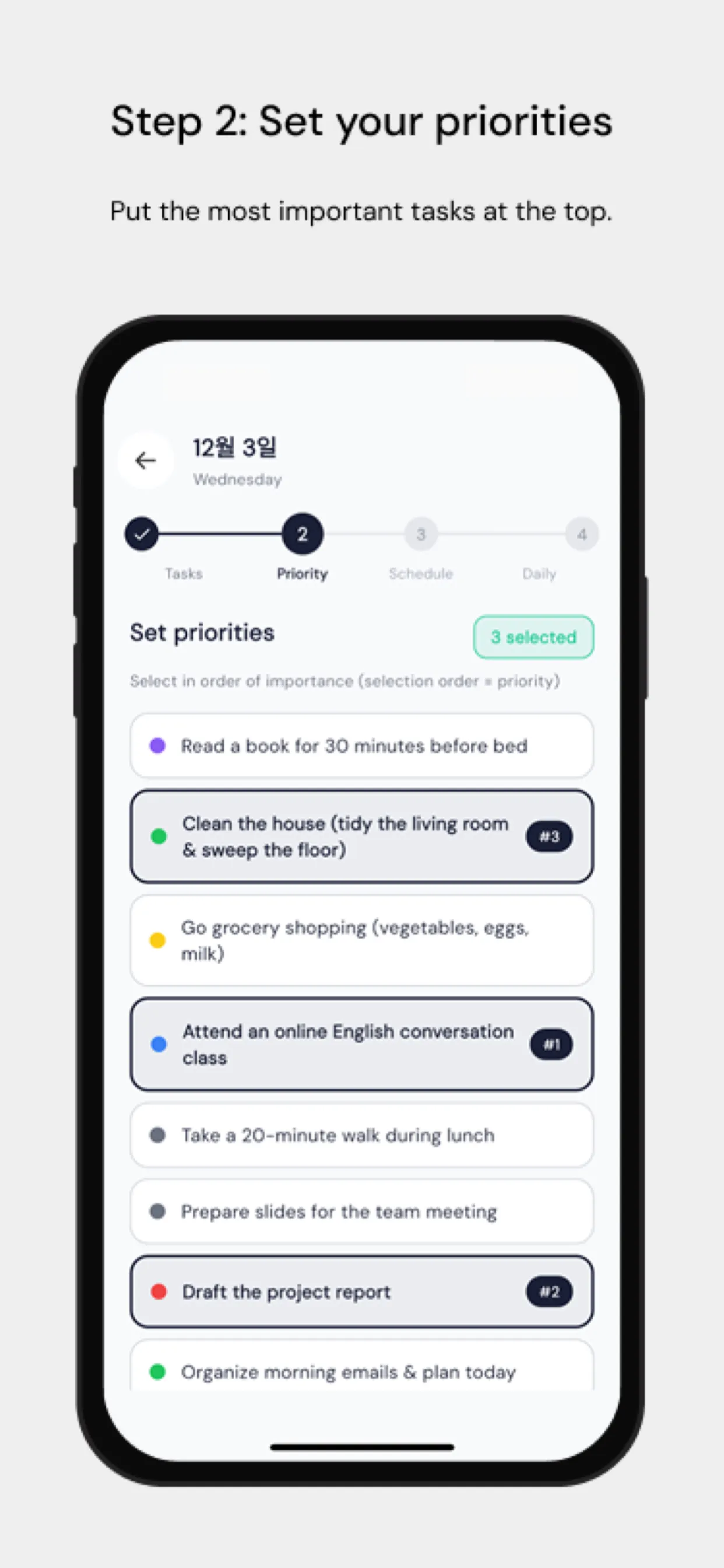
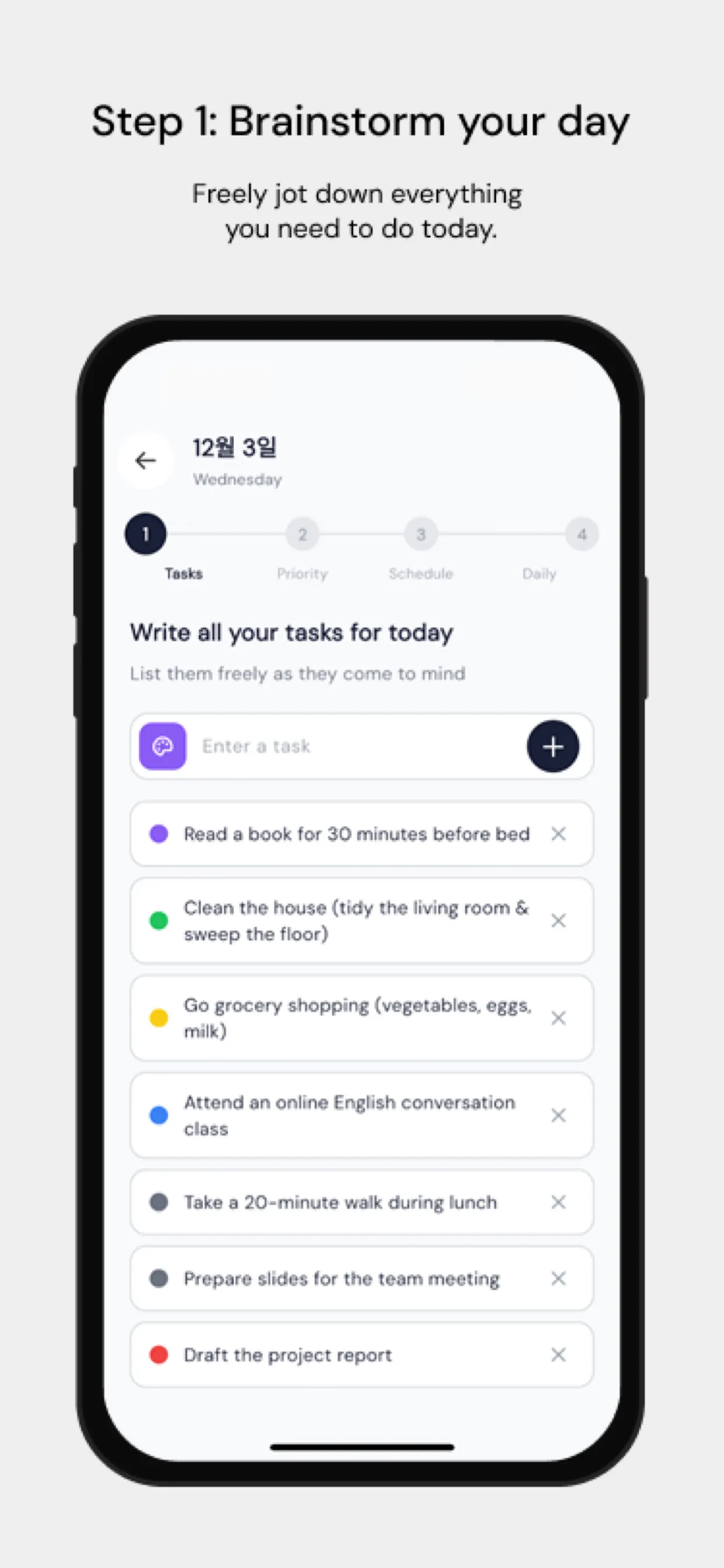
- Project Planning — Estimate and allocate time across tasks
- Variable Task Types — Different tasks need different amounts of time
Combining Both Techniques
Hybrid Approach: Pomodoros Within Time-Boxes
Set a 2-hour time-box for a project, then use Pomodoro intervals within it:
- 25 min work → 5 min break → 25 min work → 5 min break → 25 min work
How Chrobox Supports Both Methods
For Pomodoro Users:
- Set 25-minute default time boxes
- Automatic break reminders
For Time-Boxing Users:
- Custom duration for each task
- Visual timeline view
Conclusion
There's no universally "better" technique—only what works better for you. Experiment and settle on what feels sustainable and productive.