How to Do a Time Audit: Find Where Your Hours Really Go
Do you ever wonder where your day went? You started with good intentions, but by 5 PM, your to-do list barely moved. The problem is not laziness — it is a lack of awareness about how you actually spend your time.
A time audit fixes this by giving you hard data on your daily habits.
What is a Time Audit?
A time audit is the practice of recording every activity you perform over a set period, usually 3 to 7 days. Unlike time-tracking for billing, a time audit captures everything: work tasks, social media breaks, commute time, meals, and even staring out the window.
The goal is not to judge yourself but to see reality clearly.
Why Most People Need a Time Audit
Research from the American Psychological Association shows that people overestimate productive time by 25-50%. You think you worked 6 focused hours, but the actual number is closer to 3-4.
Common time leaks a time audit reveals:
- Context switching between tasks (average cost: 23 minutes to refocus)
- Reactive work like unplanned emails and messages
- Perfectionism on low-impact tasks
- Meeting overload with unclear outcomes
How to Conduct a Time Audit
Step 1: Choose Your Tracking Method
Pick something frictionless:
- A simple notebook
- A spreadsheet with 15-minute blocks
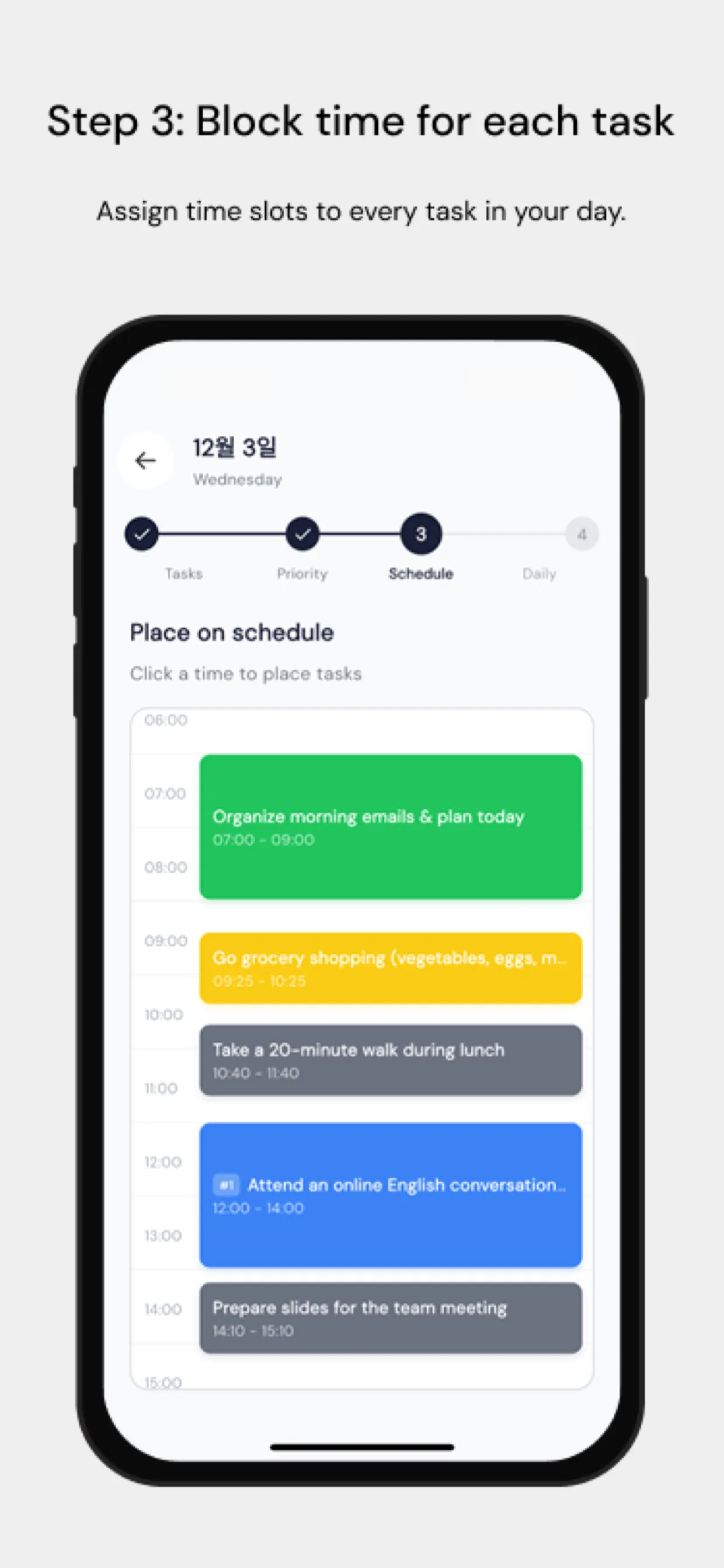
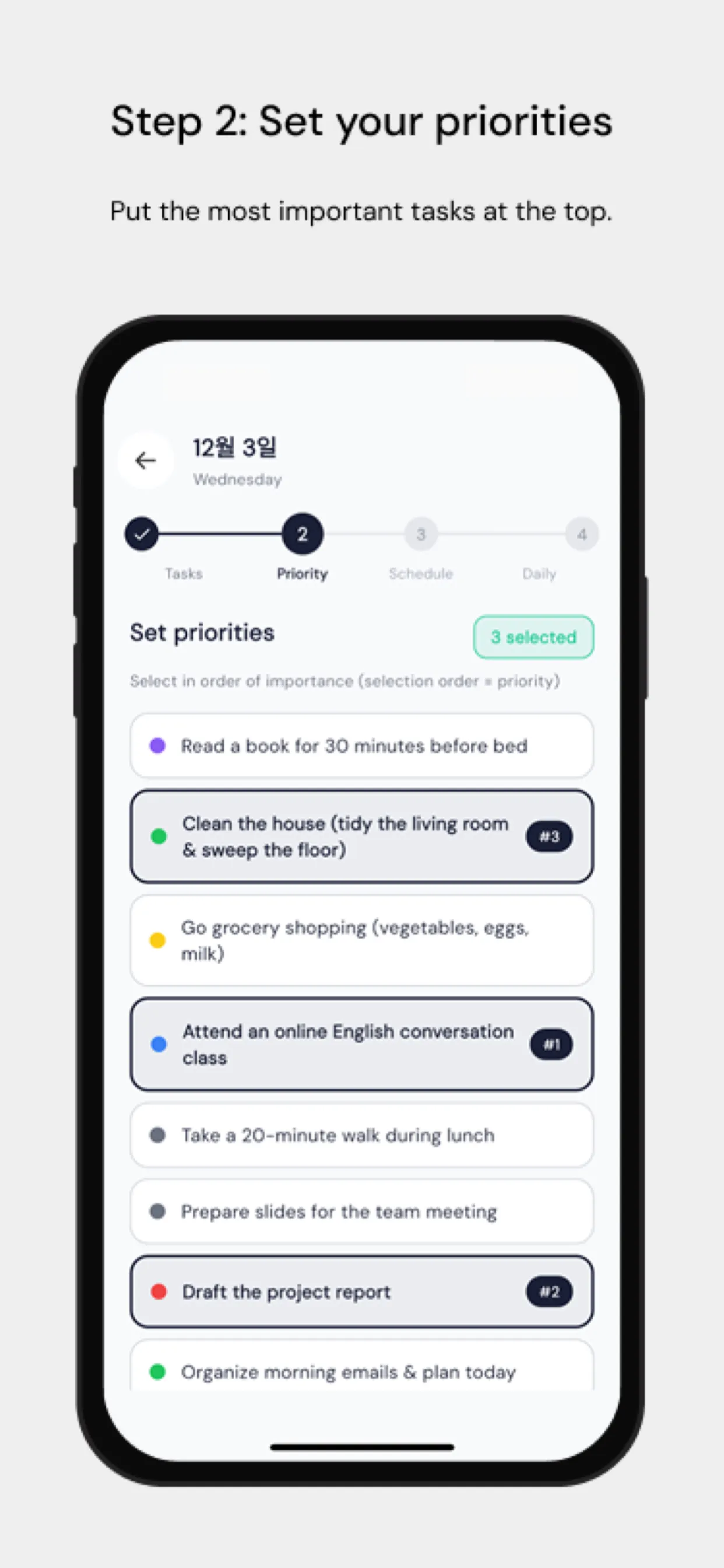
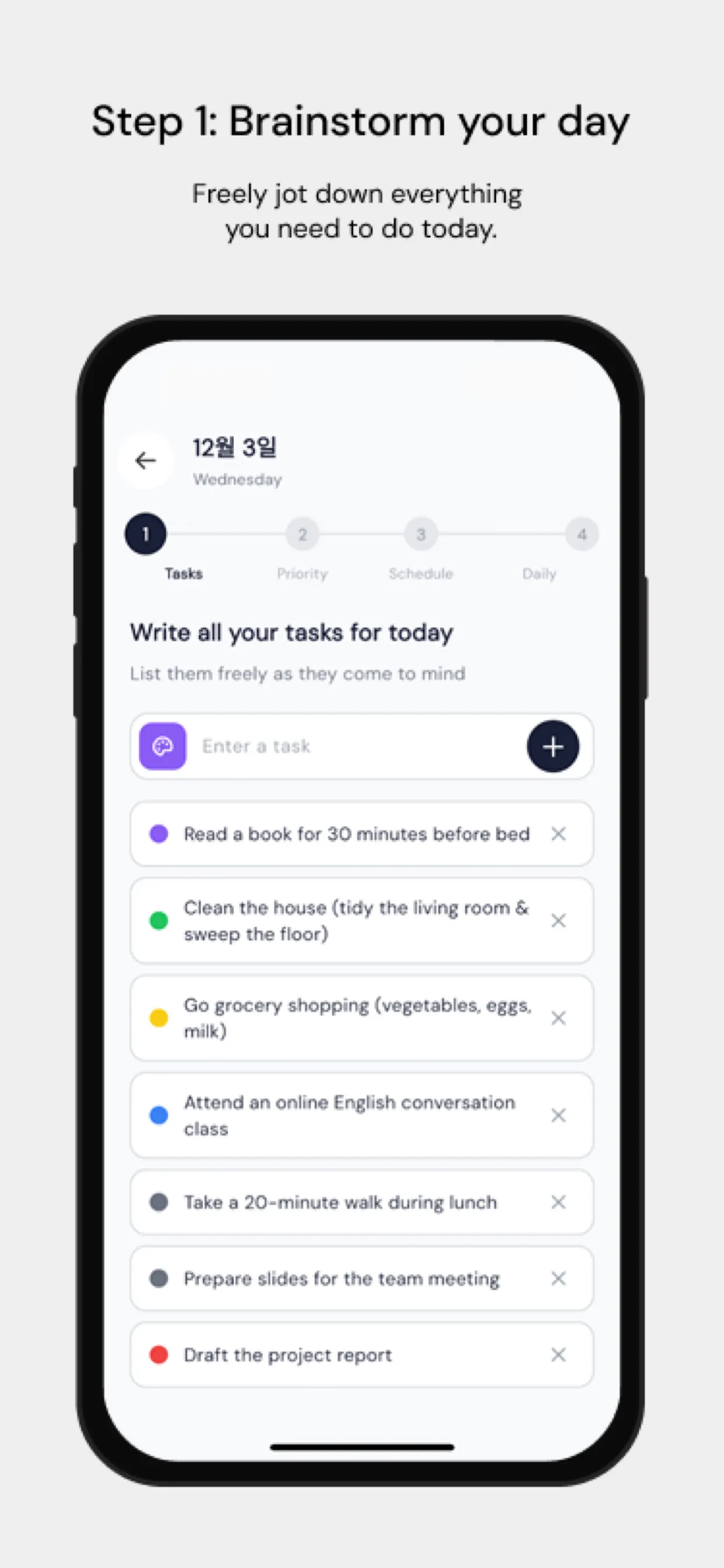
- An app like Chrobox that logs time-boxes automatically
Step 2: Track Everything for 3-7 Days
Record what you do in 15 or 30-minute increments. Be honest. Include breaks, distractions, and transition time. Do not try to optimize during the audit — just observe.
Step 3: Categorize Your Activities
Group activities into categories:
- Deep work (creative, analytical, high-value)
- Shallow work (email, admin, routine tasks)
- Breaks and recovery
- Time wasters (unplanned scrolling, unnecessary meetings)
Step 4: Analyze the Results
Ask yourself:
- How many hours of deep work did I actually get?
- What are my top 3 time wasters?
- When is my peak energy period?
- Which tasks took longer than expected?
Step 5: Redesign Your Schedule
Use your audit findings to time-box your ideal day:
- Protect peak hours for deep work
- Batch shallow tasks together
- Eliminate or delegate time wasters
- Add buffer time for unexpected tasks
Time Audit with Chrobox
Chrobox makes time auditing effortless. Every time-box you create becomes a data point. After a week, you can see exactly how your time was distributed across categories.
Features that help:
- Visual timeline shows your day at a glance
- Category tags automatically classify your activities
- Daily retrospective prompts you to reflect on what worked
- AI insights highlight patterns you might miss
Conclusion
A time audit is the most powerful first step you can take toward better productivity. You cannot optimize what you do not measure. Spend one week tracking your time, and the insights will transform how you plan every week after.
Start your time audit today with Chrobox's 3-day free trial.