Meeting Management with Time-Boxing: End Unproductive Meetings
Chrobox Team
January 29, 2025
6 min read
Frequently Asked Questions
How do I convince my team to adopt time-boxed meetings?
Start by proposing a two-week trial. Show data from your current meetings — average duration, attendee count, outcomes produced — then compare with time-boxed results after the trial. People are more persuaded by evidence than by concepts. Frame it as an experiment rather than a rule change.
What is the ideal length for a time-boxed meeting?
Research from Harvard Business Review shows meetings shorter than 30 minutes tend to stay focused, while those exceeding 60 minutes lose attention rapidly. Start with 25-minute slots for status updates and 45-minute slots for decision-making meetings. Avoid the default 60-minute calendar block.
How do I handle agenda items that run over time?
Designate a timekeeper whose sole job is to signal when each agenda item approaches its limit. When time is up, decide in 30 seconds: resolve now, table it to async communication, or schedule a focused follow-up. Never let one item derail the entire meeting.
More from this series
Focus & Productivity
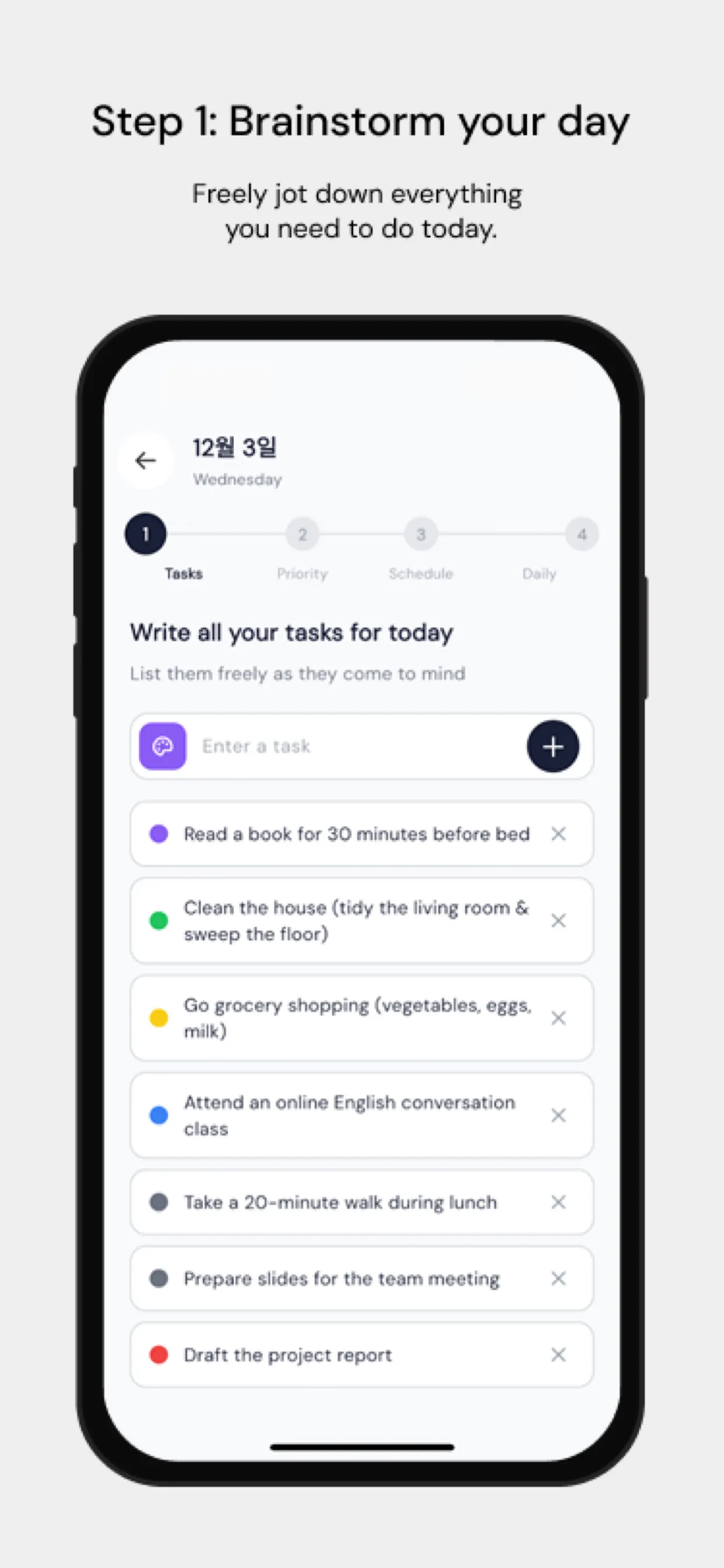
Start Time-Boxing with Chrobox Today
Transform your productivity with a 3-day free trial.
Start Free Trial