Time-Boxing for Working Parents: Reclaim Your Day Without Guilt
Working parents face a cruel scheduling math: full workload, full parenting load, plus the basics of being human. The hours never add up. Most parents end each day feeling like they failed at everything.
Time-boxing will not give you more hours — but it will give you back the feeling of agency over the hours you have. Here is the system used by parents who run demanding careers without sacrificing presence at home.
Why Working Parents Burn Out
The data is sobering. A 2023 Harvard Business Review survey found that 66% of working parents report symptoms of burnout, vs. 40% of non-parents. The causes:
- Constant context switching — work brain to parent brain to work brain dozens of times daily
- Vague boundaries — work bleeds into family time, family chaos bleeds into work
- Zero personal recovery — every "free" hour gets absorbed by household tasks
- Decision fatigue at 2x rate — managing your own life AND your kids' lives
Time-boxing solves the first two directly and creates space for the second two.
The Three-Bucket Schedule
The core insight: time-box family time and personal time as deliberately as work time.
Most parents track work hours but leave family time vague. The result: you are physically present but mentally on Slack. You feel guilty about both.
Bucket 1: Work Boxes
Standard time-boxing — but with strict end times. When the box ends, work is OVER. Phone goes in a drawer. Slack closes.
Bucket 2: Family Boxes
Deliberately scheduled, phone-free presence. "6:00-8:00 PM weekdays = family box" treated as immovable as a board meeting.
Bucket 3: Self Boxes
A non-negotiable 30-60 minute daily slot for you. Exercise, reading, hobby, or simply silence.
When all three buckets are scheduled, guilt evaporates. During a family box, you are not "supposed to be working." During a work box, you are not "supposed to be parenting." Each box has its own legitimate claim on the time.
Time-Boxing by Kid Stage
The right time-box length depends on your child's developmental stage.
Toddlers (1-3 years)
Reality: Interruptions every 5-15 minutes when awake.
Strategy: Run 25-minute Pomodoro-style boxes during nap windows (1-2 hours of gold) and after bedtime (2-3 hour stretch).
Sample weekday:
- 5:30-7:00 AM: Self box (exercise) + work box
- 9:00-11:00 AM: Two 50-min work boxes during nap
- 6:00-8:00 PM: Family box (dinner + bath)
- 8:00-9:30 PM: Work box or self box
School-Age (4-12 years)
Reality: Predictable 7+ hour daytime stretch, evening homework chaos.
Strategy: 60-90 minute work boxes between drop-off and pickup. Negotiate "do not disturb" signals (closed door + headphones) for older kids.
Sample weekday:
- 6:00-7:30 AM: Self box + frog box
- 8:30 AM-3:00 PM: Three 90-min work boxes + one 60-min comms box
- 5:00-7:30 PM: Family box (homework help + dinner)
- 8:30-10:00 PM: Self box (couple time, hobby)
Teens (13-18 years)
Reality: Lower frequency interruptions, but emotionally complex demands.
Strategy: Standard adult time-boxing during the day. Schedule 1-2 weekly "1:1 family boxes" with each teen — drives, walks, shared meals.
Negotiating "Do Not Disturb" with Kids
For kids old enough to understand:
- Visual signal — closed door, red sticky note, or noise-canceling headphones
- Time contract — "I am working for 60 minutes, then I am all yours for 30"
- Reward respect — when they let you finish, the post-box family time is genuinely focused
- Emergency exception — define what counts as "real emergency" (blood, fire) vs. wants-attention
Most kids respect the contract once they trust the post-box time will actually deliver focused attention.
The Phone-Free Family Box
The single highest-leverage change for working parents: a daily phone-free family box.
Studies on parental phone use show that even brief phone-checking during family time disrupts kids' emotional regulation and damages parent-child connection. Half-presence is worse than briefer-but-full-presence.
Implementation
- Pick one daily window (commonly 6-8 PM)
- Phone in a drawer, not just on silent
- Set an "out of office" auto-reply on Slack
- Tell your team in advance: "I am offline 6-8 PM daily"
You will discover that 90% of "urgent" messages can wait 2 hours, and the 10% that cannot will find you through actual emergency channels (call from a known number, etc.).
Self Boxes Are Not Selfish
Most parents skip personal recovery, telling themselves "the kids come first." This is well-intentioned and counterproductive.
Research from Brigham Young University's family studies department consistently shows that parents who protect personal recovery time are:
- 40% less likely to burn out within 2 years
- More patient and less reactive with kids
- More engaged in family time when it happens
- Better role models for self-care
A daily 30-60 minute self box is not optional — it is what makes the rest of the system sustainable.
What to Do When the System Breaks
Some weeks, the schedule will explode. Sick kid, work crisis, school event chaos. Do not catastrophize.
The 48-hour reset rule: Skip the system for up to 48 hours during a true crisis. On day three, force a return to normal boxes — even if shrunken. The longer you skip, the harder restart becomes.
Weekend recovery boxes: Build a Sunday afternoon "weekly reset" box (60-90 min). Use it to plan the upcoming week, restock household basics, and pre-stage Monday morning.
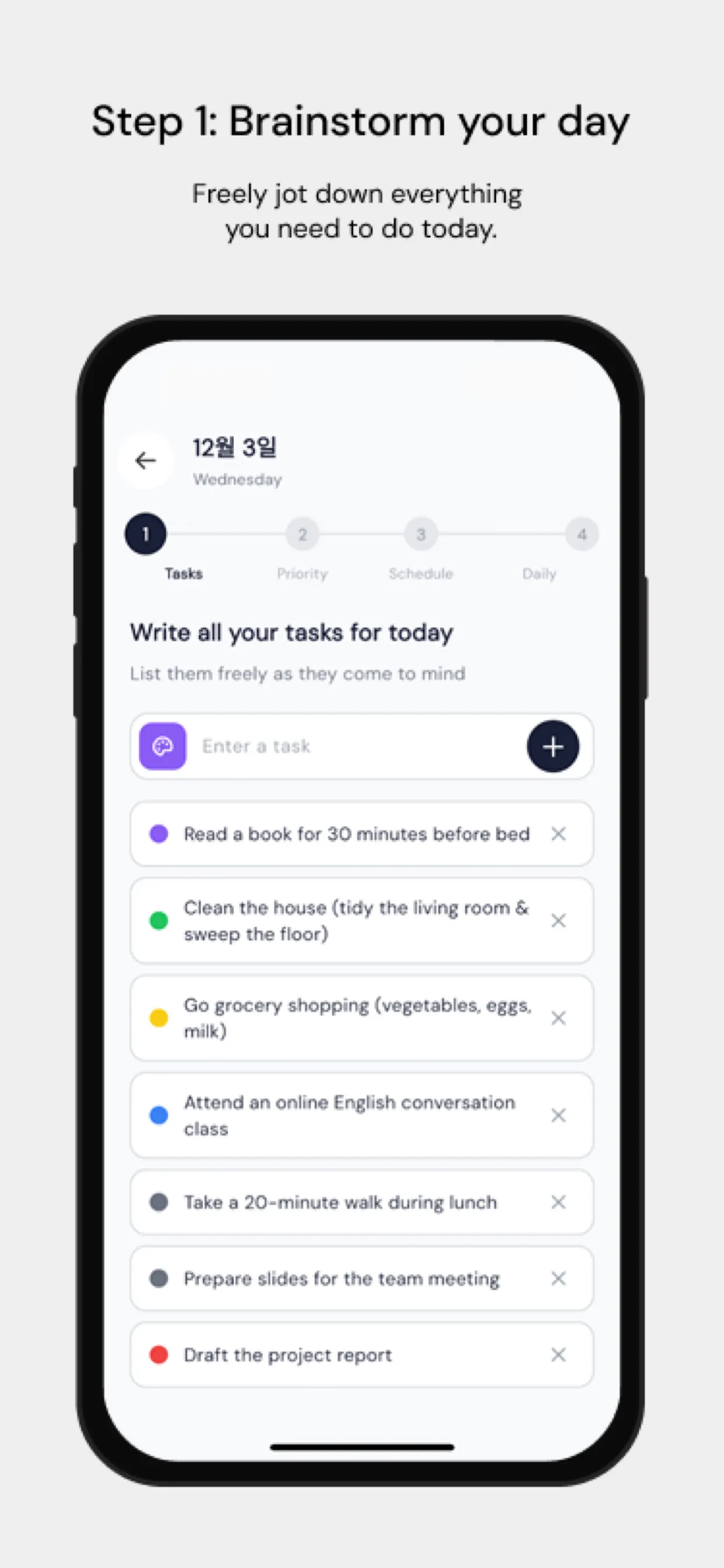
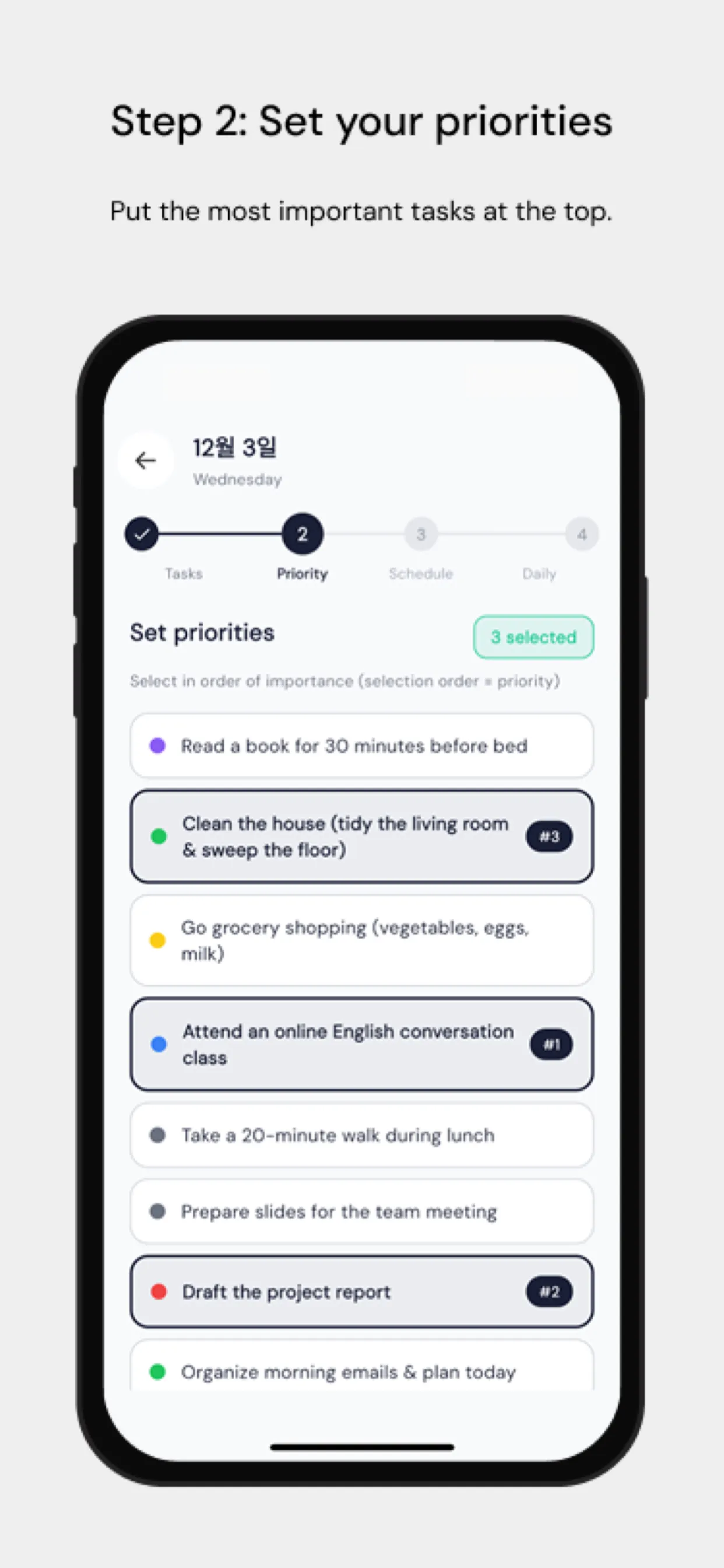
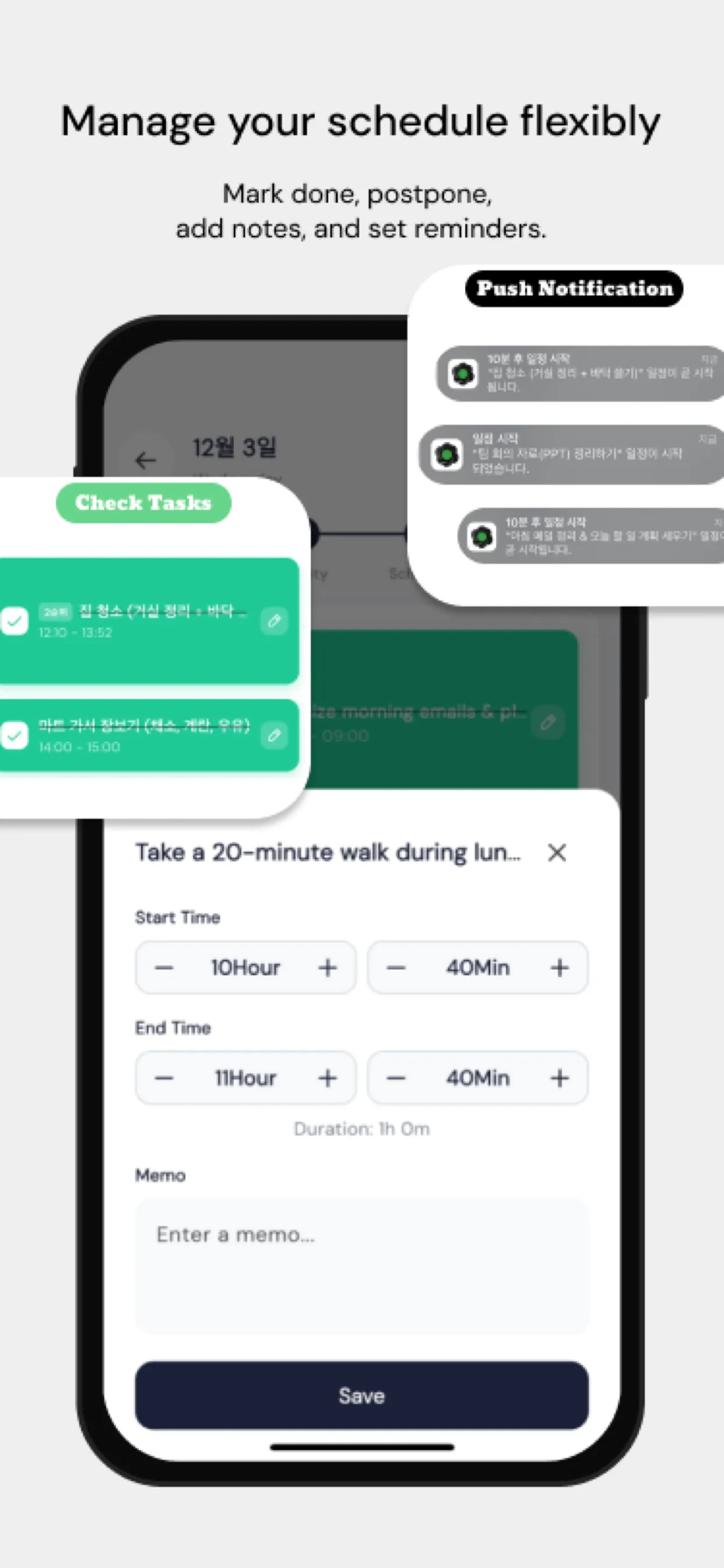
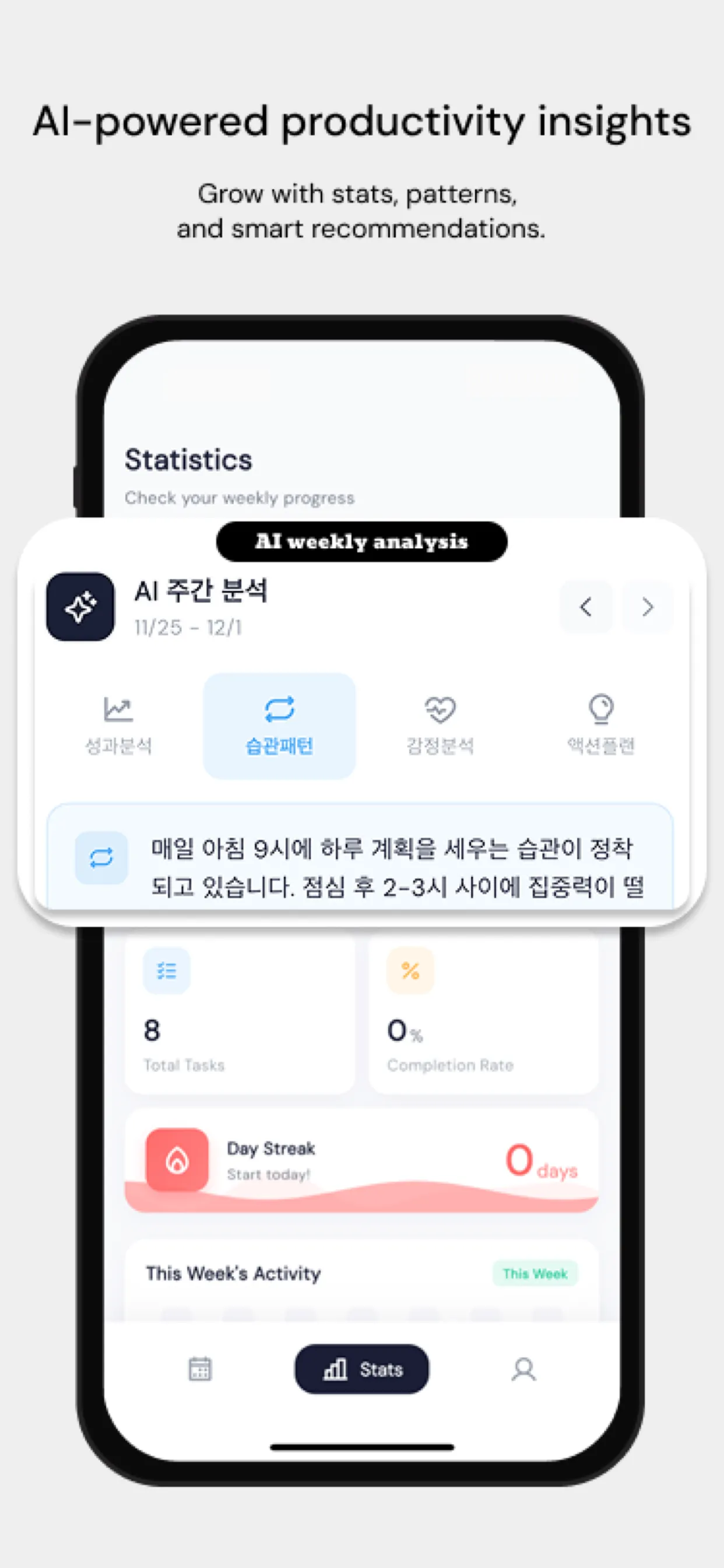
Time-Boxing for Parents with Chrobox
Chrobox supports working-parent rhythms:
- Multi-bucket views for work, family, and self time
- Phone-free family box with do-not-disturb auto-trigger
- Recurring weekly templates so Sunday planning takes 5 minutes
- Partner sharing to coordinate boxes with a spouse
Conclusion
You cannot create more hours, but you can take back your relationship with the hours you have. Time-box work, family, and self with equal seriousness. Protect a phone-free family box daily. Defend a personal recovery box like your career depends on it — because it does.
Start tomorrow. Pick three time slots: one work box, one family box, one self box. Show up for each. Repeat for two weeks. Watch the guilt fade.