Eat That Frog: How to Pair Brian Tracy's Method with Time-Boxing
In 2001, productivity author Brian Tracy published a book that became one of the best-selling time-management titles of all time. The premise was a Mark Twain quote:
"If it's your job to eat a frog, it's best to do it first thing in the morning. And if it's your job to eat two frogs, it's best to eat the biggest one first."
Translated: tackle your hardest, most important task first thing each day. Tracy called this "eating the frog."
The method is brilliant but incomplete. Tracy tells you WHAT to do (the frog) but not HOW to actually execute it. That is where time-boxing fills the gap.
Why "Eat the Frog" Works
Three psychological mechanisms make morning frog-eating high-leverage:
1. Willpower Is Highest in the Morning
Roy Baumeister's research on ego depletion shows that willpower is a finite resource that drains throughout the day. By 3 PM, you are running on fumes. By 7 PM, you default to whatever requires least effort. Morning willpower is your daily peak resource.
2. Cognitive Capacity Peaks Early
For most chronotypes, mental sharpness peaks 2-4 hours after waking. Complex problem-solving, strategic thinking, and creative synthesis all benefit from this window.
3. Momentum Compounds
Completing a hard task early creates psychological momentum. The dopamine hit primes you for the next challenge. Conversely, avoiding the frog creates "cognitive overhead" — you spend the day half-thinking about the task you are dodging.
How to Identify Your Daily Frog
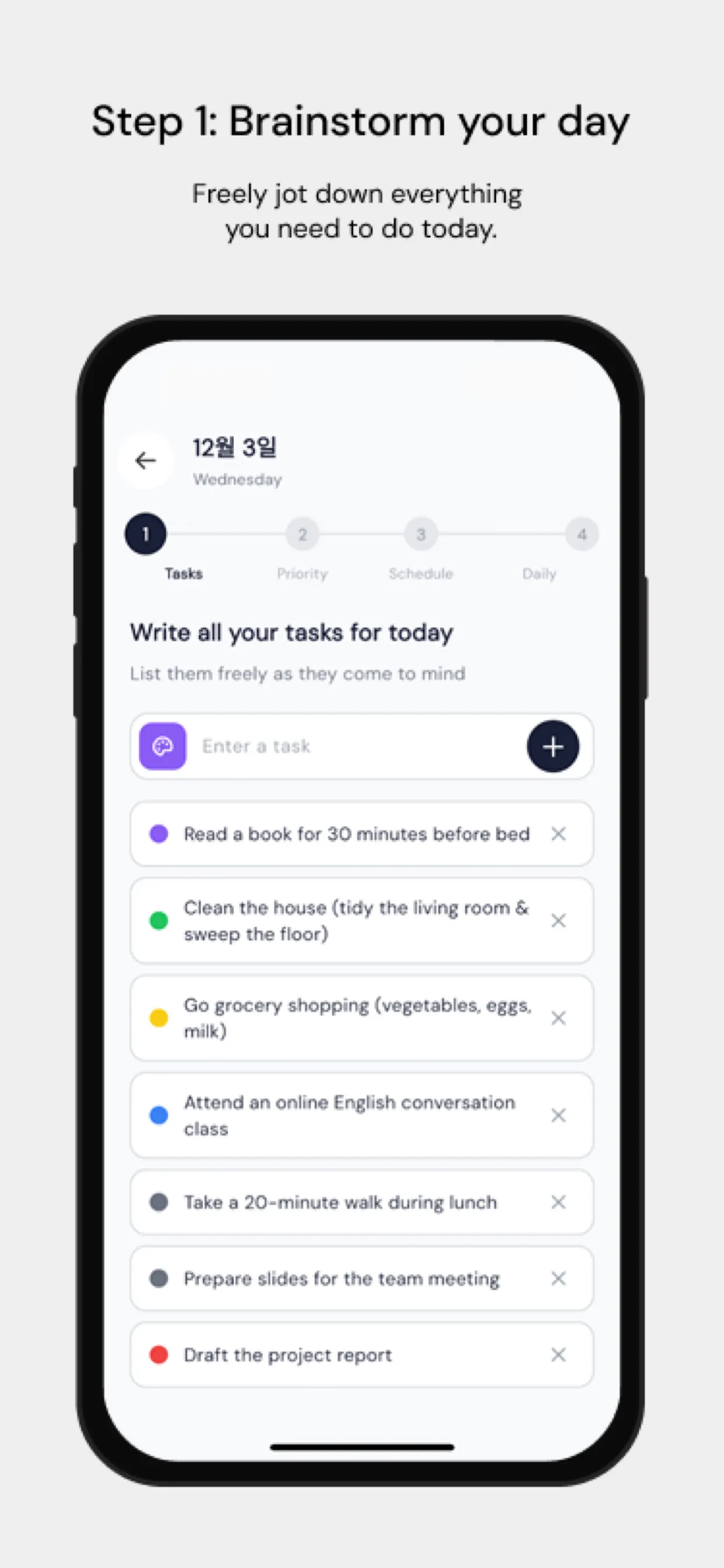
Most people misidentify their frog. They pick "urgent" tasks instead of "important" ones.
The right question: "If I could only complete ONE thing today, what would have the biggest impact on my goals?"
Your frog is usually:
- The task you have been avoiding
- The one with ambiguous next steps
- The conversation that is emotionally uncomfortable
- The strategic work that has no immediate deadline
If a task gives you a slight stomach drop when you think about it, that is your frog.
The 90-Minute Frog Box
Combine frog-eating with time-boxing for maximum effect:
The Framework
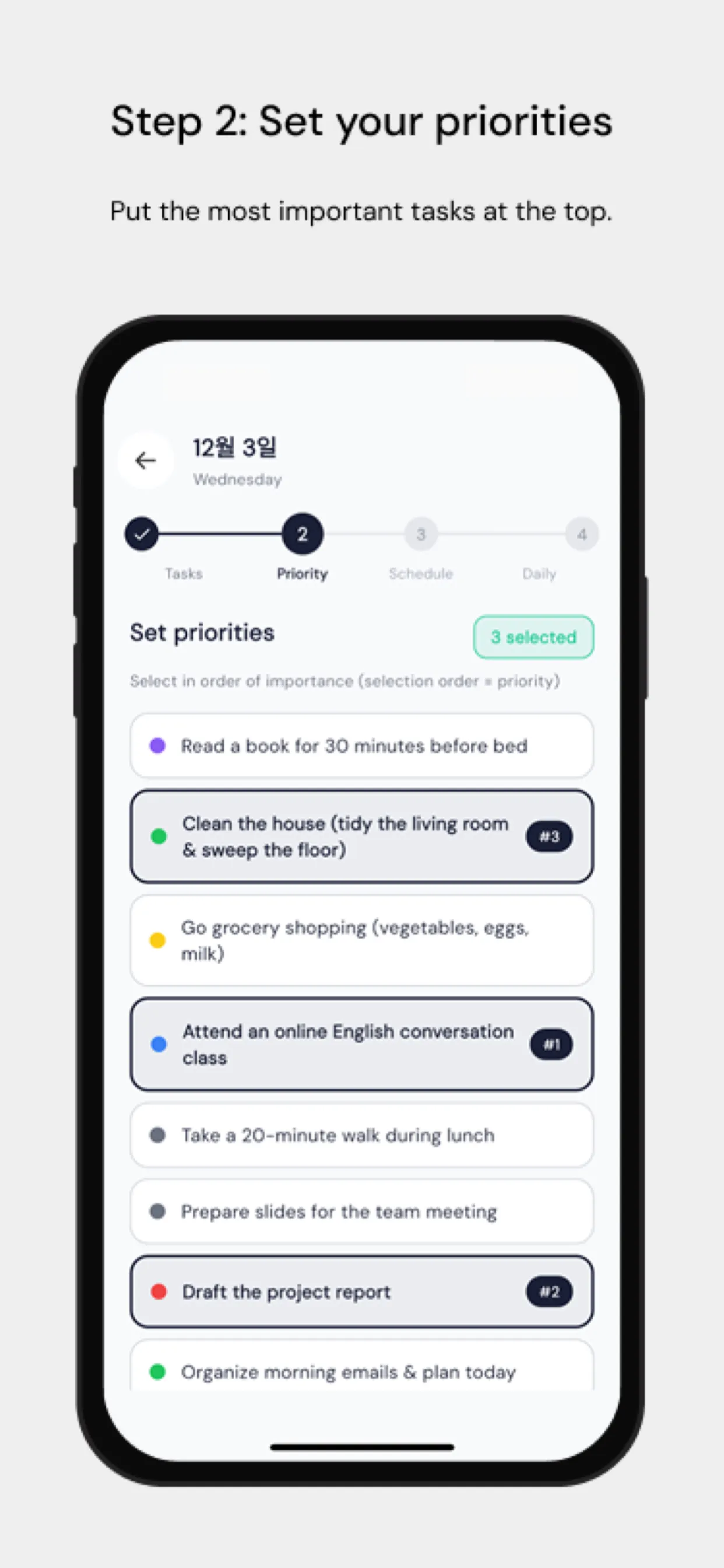
- Identify the frog the night before (10 min during evening review)
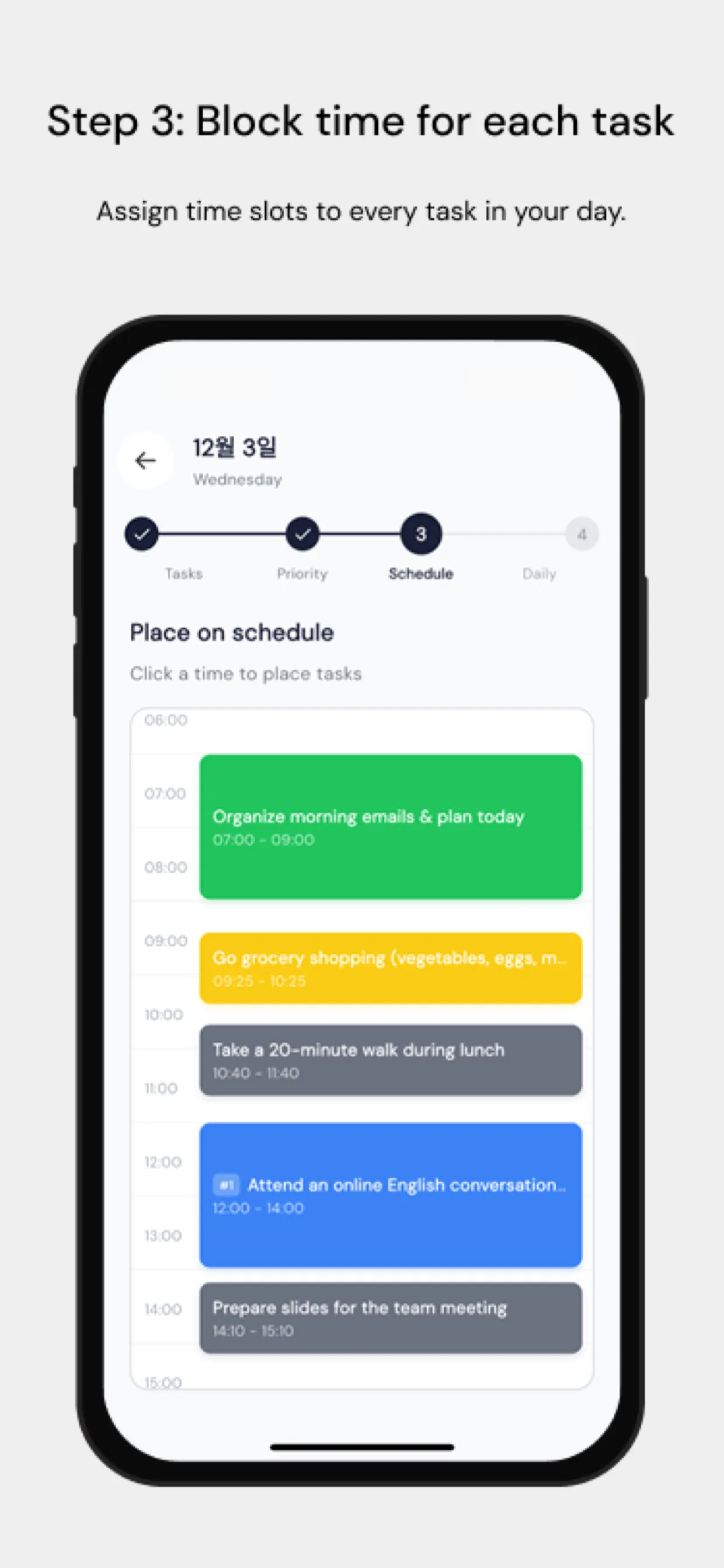
- Block 60-90 minutes the next morning in your calendar
- Make it the first work task of the day — before email, Slack, or meetings
- Single-task only during the box — no multitasking
- Stop at the timer even if not finished, and log progress
Why 90 Minutes?
Research on ultradian rhythms (Nathaniel Kleitman, 1960s) shows the human brain operates in 90-120 minute focus cycles. Beyond that, attention drops sharply.
90 minutes is also long enough to:
- Reach a flow state (typically 15-20 min in)
- Make meaningful progress on a complex task
- Deliver a "proof of concept" or first draft
- Generate momentum for the rest of the day
The Night-Before Frog Protocol
The single highest-leverage habit pair this with: night-before frog identification.
10-Minute Evening Ritual
- Open tomorrow's calendar
- Look at your top 3 weekly goals
- Ask: "What single task tomorrow moves these forward most?"
- Write the frog in tomorrow's first time-box
- Pre-stage materials (open the right files, write a starting prompt)
This eliminates morning decision fatigue. You wake up knowing exactly what to do.
What If You Are Not a Morning Person?
The principle is "tackle your frog when YOUR cognitive energy is highest" — not strictly in the morning.
Find Your Peak Window
Run a 1-week energy audit. Rate your alertness hourly (1-10). Average it across 5-7 days. Your peak window is 2-3 hours where you score 8+.
Common patterns:
- Larks (35%): Peak 6-9 AM
- Third birds (50%): Peak 10 AM-12 PM
- Owls (15%): Peak 4-7 PM
Schedule your 90-minute frog box INSIDE your peak window, regardless of clock time.
Common Mistakes
Mistake 1: Checking Email First
Email is reactive work. It is the opposite of a frog. The moment you open your inbox, your day is hijacked by other people's priorities. Do not open email until your frog box is complete.
Mistake 2: Picking Multiple Frogs
Tracy's "eat the biggest first" line gets ignored. Most people try to schedule 3 frogs and complete zero. One frog per day. Period.
Mistake 3: Skipping When Tired
Bad sleep nights are when frog-eating matters most. Even 30 minutes of progress on a hard task beats zero. Show up for a shrunken frog box rather than skipping entirely.
Mistake 4: Confusing Urgent for Important
Eisenhower Matrix: Important + Not Urgent is the frog quadrant. If a task is screaming for attention but does not advance your top goals, it is not a frog — it is a distraction wearing a frog costume.
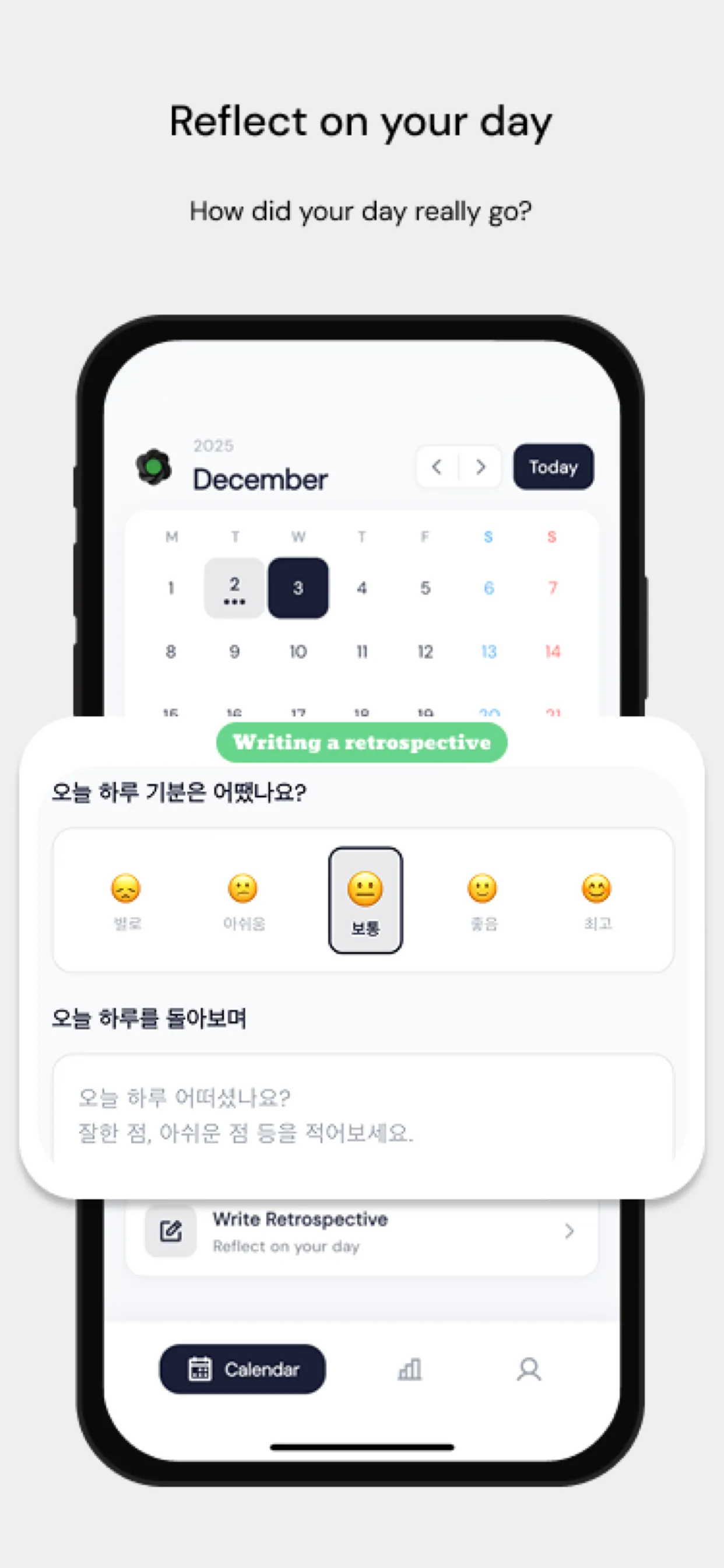
Eat-the-Frog with Chrobox
Chrobox supports the framework natively:
- Evening planning prompt for next-day frog selection
- First-box-of-day auto-locked at your peak window
- Single-task focus mode that blocks notifications
- Energy-window analytics to identify your true peak
Conclusion
"Eat the frog" tells you what to do. Time-boxing tells you how to actually do it. Pair the two with night-before planning, and your most important work gets done before the world wakes up to interrupt you.
Tonight, pick tomorrow's frog. Block 90 minutes. Show up. Eat it. Then watch the rest of your day feel lighter than it has in months.